
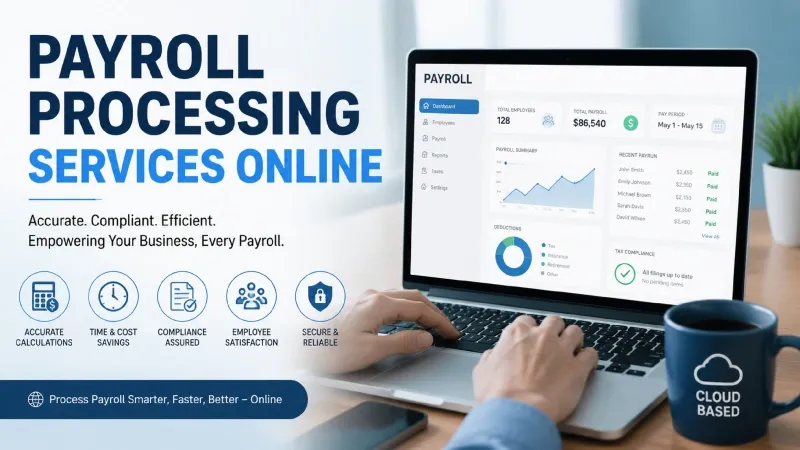
Efficiency in payroll management is essential for any company that wants to keep operations running smoothly. The administrative burden, complex compliance requirements, and need for accurate calculations can easily overwhelm both HR and finance departments. By embracing technology and integrating automation, companies can leverage payroll processing services online to elevate payroll accuracy and reliability.
As more businesses move towards digital transformation, streamlining payroll is not just about convenience. It forms a strategic advantage that impacts employee morale, company culture, and overall business performance. Modern solutions ensure that regulatory updates, payroll calculations, and record-keeping are completed accurately and efficiently with minimal manual intervention.
Enhanced Accuracy and Reduced Errors
One of the greatest risks in payroll management is human error. Mistakes in data entry, calculation, or tax withholding can lead to costly penalties and disgruntled employees. Automated payroll tools calculate wages, deductions, and taxes with precision, virtually eliminating mistakes inherent in manual processes. Reportedly, payroll automation reduces both the frequency and scope of payroll errors while providing instant visibility into discrepancies, enabling quick resolution without risking employee trust or regulatory fines. According to Forbes, automated payroll solutions offer not only consistently accurate results but also capture audit trails for transparent record-keeping.
Time and Cost Savings
Beyond the advantages of accuracy, automated payroll processes are much faster than manual alternatives. By pulling data directly from integrated HR, attendance, and scheduling systems, businesses can reduce the need for repetitive data entry and validation. One industry study found that organizations implementing automated payroll solutions reduced payroll labor by up to 90 percent. These time savings directly translate into lower administrative costs, freeing up HR teams to focus on more strategic activities. Quick payroll cycles also ensure timely payments, which helps maintain a consistent workflow and employee trust.
Another area where time and cost savings emerge is in employee onboarding and offboarding. Automated systems streamline the capture and updating of employee data, making payroll adjustments seamless, whether it’s a pay raise, a change in tax status, or termination processing. This not only reduces administrative lag but also helps maintain compliance and accurate reporting. Cost savings from automation can also be redirected into other HR enhancements, such as new benefit programs or talent development initiatives, further improving organizational efficiency and reputation.
Improved Compliance
Tax regulations and labor laws are constantly evolving, making it challenging for businesses to keep pace. Modern payroll systems update regularly to reflect the latest compliance changes, from local tax rates to federal employment laws. Automated compliance features notify administrators of changes and ensure required tax documents and employment filings are generated accurately. Comprehensive audit trails also support easier and more reliable reporting for external or internal reviews, making compliance less of a manual headache. For further industry insights, SHRM resources offer guidance on leveraging technology to enhance payroll processing compliance.
Additionally, automated payroll platforms often offer detailed record-keeping capabilities, secure data backup, and role-based access controls. This not only simplifies the retrieval of important documentation during audits but also enhances data security. Centralized record storage ensures all payroll documents, such as W-2s or pay records, are always accessible and protected against loss or unauthorized access. These compliance benefits become especially vital in industries subject to frequent regulatory changes or sector-specific reporting requirements.
Increased Employee Satisfaction
Paying employees accurately and on time is fundamental to building a positive work environment. Automated payroll systems reinforce this foundation, reducing payment delays and ensuring accuracy with every pay cycle. Many platforms come with employee self-service features, such as portals where staff can view pay stubs, update banking information, and download tax forms at their convenience. This accessibility helps employees feel empowered, valued, and confident that they are being paid correctly while also reducing the administrative workload for payroll professionals.
Beyond accuracy, automated payroll systems contribute to transparency and communication. Employees can easily track accruals, deductions, and benefits, gaining clarity into total compensation and tax withholdings. Instant notifications about pay periods or tax documents improve trust and engagement, while secure messaging within payroll portals fosters open communication about discrepancies or questions. By giving employees greater autonomy and insight into their earnings, businesses can foster higher engagement, retention, and overall workplace morale.
Real-World Examples
Consider a large restaurant chain that adopted an all-in-one payroll and scheduling system, integrating real-time sales data with workforce management. The result was more precise crew scheduling, reduced unnecessary overtime costs, and higher employee satisfaction due to predictable, accurate paydays. Managers who previously spent hours on payroll were able to reinvest that time into customer service and staff training. These real-world improvements highlight the tangible business benefits and the boost in employee morale experienced when modern payroll tools are deployed effectively.
Similarly, small and medium-sized enterprises (SMEs) have found that cloud-based payroll platforms enable them to scale efficiently as they grow. One regional retail business, for example, managed expansion across multiple states by using a centralized payroll system that automatically adjusted for local tax jurisdictions and labor regulations. The outcome was fewer disruptions during expansion, stronger compliance, and an improved ability to attract and retain top talent. These practical examples demonstrate how companies across industries and sizes can reap substantial rewards from embracing payroll automation.
Conclusion
Streamlining payroll is no longer an optional upgrade but a necessity for efficient business operations. By implementing automated, integrated solutions, companies can drastically reduce errors, shorten process times, ensure compliance, and improve employee experiences. With proven benefits ranging from significant cost savings to happier teams, businesses that modernize their payroll operations set themselves up for sustained growth and reduced risk in an ever-evolving regulatory landscape.
The future of payroll management will likely feature even greater integration, utilizing artificial intelligence and analytics to forecast labor needs, optimize workforce allocation, and proactively identify compliance risks. Organizations that remain proactive in adopting next-generation payroll solutions will continue to foster operational resilience and gain a competitive advantage in their markets. Ultimately, prioritizing payroll modernization is an investment not only in business efficiency but also in employee satisfaction and long-term organizational health.