Most AI videos still struggle to feel truly cinematic. The motion may look impressive and the visuals may appear sharp, but something still feels different from real film production. The depth often looks flat, highlights feel too clean and scenes miss the natural lens behavior people subconsciously associate with cinema.
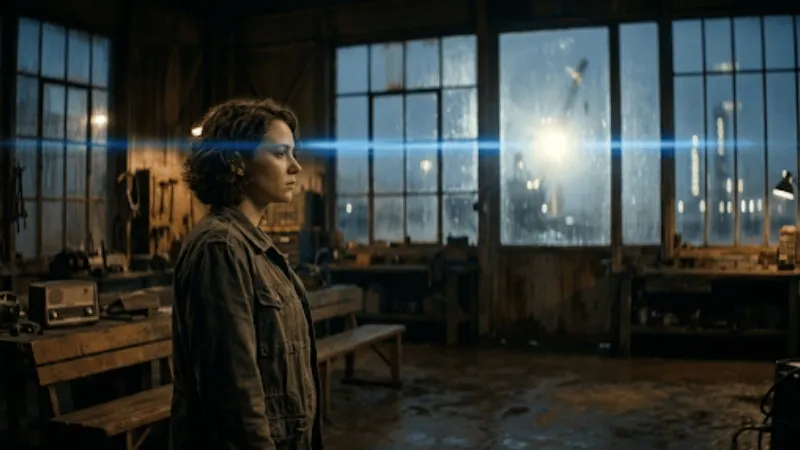
That difference usually comes down to optics. Real filmmaking relies heavily on lens characteristics to create atmosphere and emotional depth. Cinematographers carefully choose lenses because every optical style changes how a scene feels on screen. Among the most recognizable cinematic styles is the anamorphic look. Anamorphic lenses have shaped the visual identity of countless films for decades. The stretched highlights, cinematic depth, lens flares and widescreen perspective create a visual texture audiences instantly connect with high-end cinema.
This is where Higgsfield stands apart from many AI video platforms. Instead of focusing only on animation and movement, the platform also pays close attention to cinematic optical behavior. Its anamorphic lens simulation helps generated scenes feel much closer to professionally shot film footage.
For creators using an ai video generator, this changes the entire visual tone of the content. The final output feels less synthetic and more cinematic from the very first frame.
Why do anamorphic lenses feel so cinematic?
Anamorphic lenses create a very specific visual language. Unlike standard lenses, anamorphic optics compress the image horizontally during filming and later expand it during playback. This process creates the wide cinematic framing people associate with major film productions.
The visual result includes:
- Wider cinematic perspective
- Characteristic lens flares
- Softer background rendering
- More immersive scene depth
- Film-style visual compression
These details influence how viewers emotionally experience a scene. Even people with no filmmaking knowledge recognize the look subconsciously because anamorphic cinematography appears constantly in movies, commercials and premium visual storytelling. The lens itself becomes part of the emotional atmosphere.
Why do many AI videos still look digitally generated?
Most AI-generated videos focus heavily on movement and image generation but ignore optical realism. As a result, scenes may contain motion and detail while still lacking cinematic texture. The footage often feels too clean, too sharp or visually flat compared to real camera footage.
Common problems usually include:
- Perfect digital sharpness
- Unrealistic depth response
- Artificial lighting behavior
- Flat perspective handling
- Missing lens imperfections
- Generic scene rendering
Real cameras naturally produce imperfections and optical characteristics that make footage feel organic.
Traditional filmmaking captures subtle behaviors from lenses, sensor response, focus depth and lighting interaction. AI-generated content often misses these small details which is why many generated videos still feel synthetic even when technically advanced.
This is why lens simulation matters so much in cinematic AI video workflows.
How does Higgsfield’s anamorphic simulation improve realism?
Higgsfield focuses heavily on cinematic optical behavior instead of treating every frame like generic digital animation. The anamorphic simulation introduces visual characteristics associated with real cinematic lenses, helping scenes feel more immersive and film-inspired. This creates a stronger cinematic atmosphere across generated videos.
For example, highlights feel more cinematic, depth appears more natural and framing carries the wider visual language audiences already associate with professional filmmaking.
The difference becomes especially noticeable in:
- Fashion campaigns
- Product commercials
- Cinematic storytelling
- Music visuals
- Luxury brand content
- Short-form social films
The ai video generator workflow becomes much more visually refined because the optical behavior supports the storytelling instead of making scenes feel overly digital.
Why are creators focusing more on cinematic optics now?
Video audiences have become extremely visually aware. People constantly consume polished content across TikTok, Instagram, YouTube Shorts and streaming platforms. Because of this, viewers recognize cinematic quality much faster than before.
Simple AI motion is no longer enough to impress audiences consistently. Creators now want generated content that feels emotionally cinematic, not just technically animated. Lens behavior plays a huge role in that perception.
A scene with realistic anamorphic depth and cinematic optical response immediately feels more premium than footage with flat digital rendering.
Higgsfield helps creators achieve that atmosphere through an ai video generator system designed with cinematic presentation in mind instead of generic animation output. That difference gives creators more control over visual mood and storytelling quality.
Why does anamorphic simulation improve emotional storytelling?
Cinematography shapes emotion visually. The way a scene handles depth, focus, framing and light directly affects how audiences experience the story. Anamorphic optics create a sense of scale and immersion that standard digital rendering often struggles to reproduce. This becomes especially important in emotionally driven content.
For example, cinematic depth can make character moments feel more intimate. Wide anamorphic framing can increase atmosphere and tension. Lens flare behavior can enhance visual emotion naturally without feeling artificial. Higgsfield uses these cinematic characteristics to make generated scenes feel more grounded and immersive.
The ai video generator workflow becomes more useful for storytelling because creators can produce visuals that carry emotional cinematic weight instead of feeling purely synthetic.
Why are brands interested in cinematic lens simulation?
Modern brands compete heavily through visual quality. Audiences now compare social ads, product videos and branded content against high-end creator videos and professional campaigns constantly appearing online. Because of this, cinematic presentation matters even in short-form marketing. Luxury fashion brands, beauty campaigns, automotive visuals and premium product launches all depend heavily on atmosphere and visual texture.
Generic AI generated footage often struggles to deliver that level of cinematic polish. Higgsfield helps brands create more premium-looking AI-generated content through stronger optical realism and film-inspired visual behavior.
An ai video generator with anamorphic simulation allows marketing teams to produce cinematic campaign visuals without relying entirely on traditional film production for every concept. This creates more flexibility during fast-moving campaign cycles where both quality and speed matter.
Why are short-form creators adopting cinematic visuals faster?
Social media platforms increasingly reward visually immersive content. Short form creators now use cinematic framing, dramatic lighting and film inspired editing styles to improve audience retention and engagement. The overall atmosphere of a video often matters just as much as the content itself.
Creators who use cinematic visuals usually stand out more easily in crowded feeds because the footage immediately feels more polished and emotionally engaging.
Higgsfield supports this shift by helping creators generate film inspired visuals with stronger optical realism. The ai video generator workflow becomes especially useful for creators building cinematic edits, storytelling clips, music visuals and visually atmospheric short-form content across TikTok, Instagram and YouTube Shorts.
Why is optical realism becoming the future of AI-generated cinema?
AI video generation is evolving beyond simple animation. Early tools focused mainly on creating movement. Now creators expect cinematic depth, realistic camera behavior, natural lens response and emotionally immersive visuals.
Optical realism is becoming one of the biggest differences between basic AI video and truly cinematic AI filmmaking. Higgsfield reflects this evolution by focusing heavily on how scenes feel visually instead of generating motion alone.
Its anamorphic lens simulation helps generated footage carry the texture and atmosphere people already associate with real cinema. An ai video generator built around cinematic optical behavior gives creators more control over visual storytelling, emotional atmosphere and professional quality presentation across digital content formats.
As AI filmmaking continues advancing, lens realism will likely become one of the most important features separating cinematic generation systems from generic video tools.