
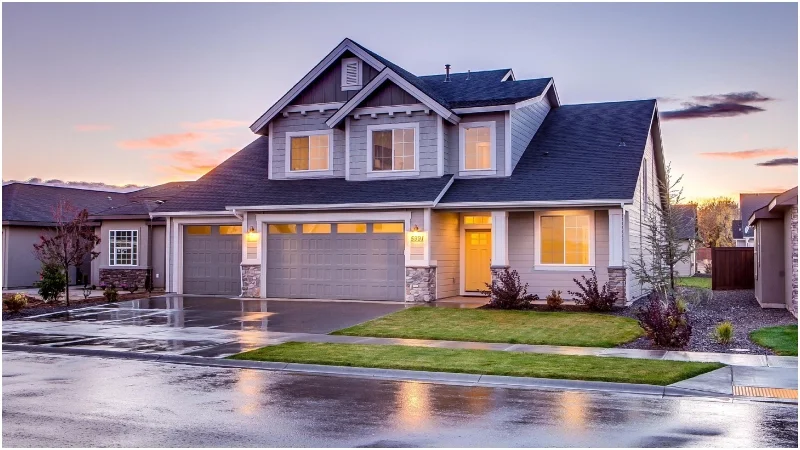
A comfortable home does not always require an expensive renovation. Small improvements can make a big difference in how a space looks, feels, and works. Whether you want to refresh one room or improve your entire home, practical changes can provide long-term benefits.
The best home improvements are often simple. Better organization, improved lighting, regular maintenance, and thoughtful decoration can make everyday life easier. With a little planning, homeowners can create a more attractive and functional living space without taking on a major project.
Start With Better Organization
A well-organized home usually feels cleaner and more spacious. Start by identifying areas where clutter builds up. Kitchens, bedrooms, hallways, and living rooms often collect rarely used items.
Storage baskets, shelves, cabinets, and small organizers can help keep everyday belongings in order. It is also useful to remove items that you no longer need. Decluttering creates more space and makes regular cleaning much easier.
Organization does not have to be complicated. Even small changes, such as arranging books properly or keeping frequently used items within easy reach, can improve your daily routine.
Improve Lighting Around the Home
Lighting strongly affects a room’s appearance. A dark room can feel smaller, while good lighting can make the same space feel brighter and more welcoming.
Start by making better use of natural light. Keep windows clean and avoid placing large furniture directly in front of them. Light-colored curtains can also help bring more daylight into a room.
For areas that need additional lighting, consider table lamps, floor lamps, wall lights, or energy-efficient bulbs. Choosing the right lighting for each room can improve both comfort and functionality.
Give Your Walls a Fresh Look
Walls are one of the easiest parts of a home to update. A fresh coat of paint can completely change a room’s atmosphere without a full renovation.
Neutral colors can create a clean, spacious look, while warmer shades can make a room feel more comfortable. If you don’t want to repaint the entire room, an accent wall can offer a simple alternative.
You can also add framed pictures, artwork, mirrors, or floating shelves. These additions can add character to plain walls while keeping the overall design simple.
Take Care of Small Repairs
Minor problems should not be ignored. A leaking faucet, loose cabinet handle, damaged tile, or broken door lock may seem unimportant at first, but small issues can become more expensive when left unresolved.
Make a simple maintenance checklist and inspect different areas of your home regularly. Check windows, doors, plumbing fixtures, electrical outlets, and other commonly used parts of the house.
Taking care of small repairs early can help protect your home and reduce the chance of larger problems later.
Make the Kitchen More Practical
The kitchen is one of the busiest areas in most homes, so small improvements can have a noticeable impact. Start by organizing cabinets and removing appliances or utensils you rarely use.
Adding drawer organizers, wall shelves, or simple storage containers can make frequently used items easier to find. You can also improve the workspace by keeping countertops clear.
If you are planning a larger kitchen project, focus on functionality as well as appearance. A practical layout can make cooking and cleaning more convenient.
Improve Your Home’s Energy Efficiency
Energy-efficient improvements can make a home more comfortable while helping reduce unnecessary energy use. Start with simple steps, such as replacing old bulbs with LED lighting and switching off lights and appliances when you don’t need them.
Check doors and windows for gaps that may let outside air in. Proper sealing can help maintain indoor temperatures more effectively.
When replacing appliances, look for energy-efficient models that match your household needs. These changes may seem small, but they can improve home efficiency over time.
Create a Comfortable Outdoor Space
If your home has a balcony, patio, garden, or small outdoor area, you can make it more useful with a few simple additions. Comfortable seating, plants, outdoor lighting, and a clean layout can turn an unused area into a relaxing space.
You do not need a large budget to improve an outdoor area. A few plants and suitable furniture can make the space more inviting. Regular cleaning and maintenance will also help keep it looking attractive.
Plan Improvements Before Spending Money
Good planning can prevent unnecessary expenses. Before starting a project, decide what you want to improve, how much you can spend, and what materials you will need.
It can also help to compare different options before buying anything. For inspiration and useful ideas, homeowners can explore resources that cover practical ways to improve and maintain their living spaces.
Avoid starting several projects at the same time. Finishing one improvement before moving to the next makes it easier to manage your budget and time.
Focus on Long-Term Value
A good home improvement should provide more than a temporary visual change. Consider how the project will affect your comfort, maintenance, storage, and daily routine.
For example, better storage can reduce clutter for years, while improved lighting can make a room more functional every day. Regular maintenance can also protect important parts of your home and help prevent costly repairs.
Final Thoughts
Improving your home does not have to mean a complete renovation. Simple changes can make rooms cleaner, more comfortable, and easier to use. Better organization, fresh paint, improved lighting, regular repairs, and energy-efficient choices are all practical places to start.
The most effective approach is to work step by step. Identify the areas that need attention, set a realistic budget, and choose improvements that provide lasting value. With thoughtful planning and consistent maintenance, small projects can gradually create a home that feels more comfortable, functional, and welcoming.