Key Takeaways
- Booklets present information in a tactile, memorable way, enhancing content retention and engagement.
- They are highly versatile, being relevant for marketing, education, and creative storytelling.
- Modern booklets can incorporate digital integrations that connect print with online resources for interactive experiences.
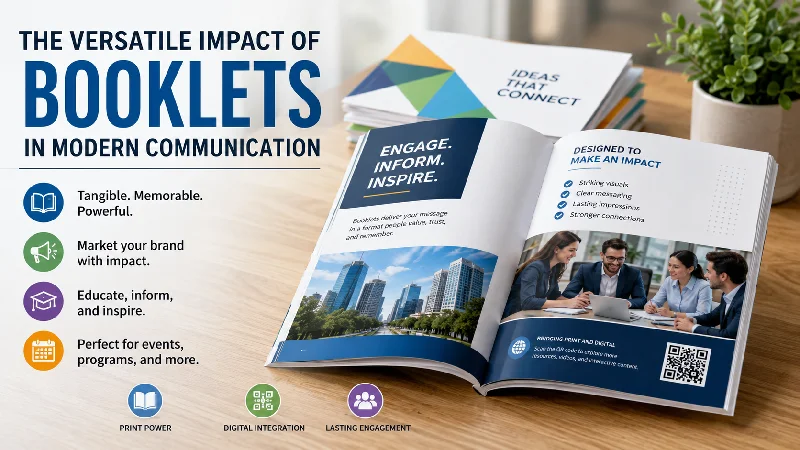
In today’s rapidly evolving digital landscape, traditional print still plays an important role in how individuals and organizations convey information. Among the range of print products, full-color booklets offer a unique and engaging experience, drawing on their tactile and visual appeal to capture attention. While much attention is given to digital marketing, the enduring impact of physical booklets offers distinct benefits for businesses, educators, and event hosts alike. The act of holding a booklet, flipping through its pages, and interacting with its design creates a sensory engagement often missing from screens. For many, this tangible medium leads to deeper content retention and a more memorable experience. Booklets also allow organizations to make a lasting impression, strengthening the connection between message and recipient that purely digital channels may lack.
The Enduring Value of Print Media
Despite the rapid expansion of digital communication, print materials like booklets maintain a strong presence by engaging audiences on a physical level. According to Nieman Journalism Lab, tactile print media continues to be valued for its ability to create a sense of permanence and trust. Printed booklets, in particular, offer a deliberate, distraction-free medium that allows readers to focus and absorb information more deeply than with digital scrolls and clicks.
Creative Uses for Booklets
The flexibility of booklets makes them suitable for a variety of purposes, from business promotions to educational supplements. Here are a few innovative applications:
- Marketing Materials: Businesses can showcase their offerings and provide customers with in-depth details, reinforcing brand identity through design and narrative.
- Educational Resources: Instructors and trainers use booklets as supplementary handouts that reinforce key lessons or provide additional exercises for learners.
- Event Programs: Organizations present schedules, speaker bios, and highlights in booklet form, giving attendees a convenient and comprehensive resource throughout events.
Booklets have also found a home in nonprofit communications, creative portfolios, and community outreach, providing a compact yet effective way to deliver information that recipients can revisit time and again.
Designing Booklets for Maximum Impact
A well-designed booklet captures attention and guides readers through its narrative. Several design essentials can improve both the aesthetic and functional qualities of a booklet:
- Layout: Structured, uncluttered layouts enable easy navigation and help readers find important information quickly.
- Typography: Legible font choices coupled with consistent sizing ensure the content remains accessible to all readers.
- Imagery: High-resolution images and relatable visuals support the text and reinforce key messages, often increasing overall impact.
Design professionals suggest embracing whitespace, leveraging strong color schemes, and maintaining a logical content flow to keep readers engaged from the first page to the last.
Bridging the Gap: Integrating Digital Elements
The most impactful booklets today often blend print tradition with digital innovation. By embedding QR codes, booklets can lead readers directly to online videos, resource libraries, registration forms, or expanded articles. These connections not only enhance the reader experience but also offer measurable insights for organizations eager to understand engagement and follow-up behavior. The integration of digital channels transforms static print into an interactive bridge, strengthening relationships with tech-savvy audiences and expanding the reach of your content beyond the booklet itself.
Cost-Effectiveness and Value
Booklets offer a cost-efficient strategy for organizations seeking to maximize the impact of their marketing and communication budgets. Producing high-quality booklets enables businesses to target specific audiences with relevant, well-organized content, ensuring every investment is purposeful and effective. Unlike digital advertisements that can disappear in seconds, printed booklets often remain with readers long after they are received, reinforcing key messages through repeated exposure.
Their portable format makes them easy to share, reference, and distribute at trade shows, meetings, retail locations, and community events. Whether used to promote products, explain services, or educate customers, booklets provide lasting value while enhancing brand credibility. With thoughtful design and strategic distribution, they deliver a strong return on investment by encouraging greater engagement, improving message retention, and supporting long-term customer relationships.
Case Studies: Booklets in Action
In the real world, the impact of thoughtfully produced booklets is seen across diverse sectors. A local bakery, for example, can distribute beautifully designed recipe booklets that not only inform but also inspire a sense of community and brand loyalty. On the other hand, a technology company may hand out concise, illustrative guides to simplify product features, empowering users and enhancing satisfaction. Museums and arts institutions rely on booklets to present exhibit previews, making visits more engaging and memorable.
Furthermore, educational institutions use booklets for orientation sessions, distributing welcome guides that include campus maps, essential contacts, and tips for new students. In the healthcare sector, clinics and medical organizations distribute health information booklets to help patients understand treatment options and make better decisions. Booklets are also used in public service campaigns, such as environmental awareness drives, where they provide step-by-step guides to sustainable practices, enabling readers to make positive changes in their daily lives. These practical uses demonstrate how booklets, when customized and distributed in the right context, can foster higher engagement and a sense of personal connection.
Beyond their uses in formal organizations, artists and creative professionals utilize booklets as compact portfolios to showcase their work and leave a memorable impression during client meetings or exhibitions. In the world of independent publishing, zines, small-circulation, self-published booklets have carved out a unique space for sharing stories, art, and subcultural viewpoints. This versatility in both professional and personal contexts underscores the enduring relevance of booklet formats, far beyond their potential as mere marketing collateral.
Conclusion
Booklets remain a powerful asset in modern communication strategies, offering a unique combination of credibility, visual appeal, and lasting value. Their blend of tactile engagement, creative versatility, and seamless digital integration enables businesses, educators, nonprofits, and event coordinators to communicate information effectively while creating memorable experiences for their audiences. Whether used for marketing campaigns, training materials, product catalogs, or event programs, booklets present content in an organized and professional format that encourages readers to engage more deeply.
By carefully designing high-quality layouts and leveraging the strengths of both print and digital channels, organizations can maximize audience reach and message retention. As communication continues to evolve, booklets remain an indispensable tool for sharing information, strengthening brand identity, and building meaningful connections that endure well beyond the initial interaction.